The burden of prior authorization in radiation therapy has been a topic of conversation for years now, and it’s a problem that continues to grow. In a late 2024 study by ASTRO, nearly all radiation oncologists surveyed (92%) reported adverse patient impact associated with prior authorization denials. Most often, these denials occurred on the front end, resulting in delays to treatment initiation, a shift to a less-than-optimal treatment approach, or treatment abandonment altogether.
With pre-treatment denials and delays taking center stage and siphoning away critical time and resources, post-treatment denials related to prior authorization parameter mismatch are quietly becoming more common, and their effects can be detrimental to patient care and department viability alike.
Approval is only the beginning
Even after successfully obtaining prior authorization for a proposed treatment plan, there are still a number of factors that can trigger a denial on the final claim, including (but not limited to):
-
Missing or incorrect CPT codes
-
Change in treatment delivery method
-
Treatment dates falling outside of preapproved range
-
Units delivered exceeding maximum approved
For example, patient illness or travel may push their treatment course out by a few days or weeks. If treatment is ultimately performed beyond the dates outlined in the initial prior authorization, even partially so, the claim will likely be denied. In another scenario, a minor clerical error could result in billing codes not aligning with the approved treatment, triggering an automatic payment denial.
Ideally, these types of discrepancies would be caught before a claim was processed and sent for final payment. In reality, however, departments are already stretched thin, dealing with hundreds or thousands of administrative tasks per week, and devoting much of their prior authorization efforts to front-end approvals.
Don’t discount the cost of post-treatment denials
There’s no shortage of literature on the gravity of pre-treatment prior authorization denials when it comes to patient outcomes, with about one-third of radiation oncologists in ASTRO’s survey reporting patients abandoning or foregoing treatment due to PA denials. Emergency room visits, hospitalizations, and even death are also noted by 30% of providers as actual case outcomes directly attributable to PA denials.
Post-treatment denials associated with prior authorization discrepancies, on the other hand, may be less visible but carry significant risk nonetheless. These can include:
-
Unrecoverable department revenue
-
Added administrative burden of appeals
-
Unexpected financial responsibility and/or administrative burden on patient
-
Less time spent on patient care
- Increased compliance and auditing scrutiny
- Decreased satisfaction scores and department reputation
Depending on the treatment type and complexity, a single course of radiation therapy can represent thousands or even tens of thousands of dollars in reimbursement, making preventable claims especially costly. And at a time when margins are declining and new reimbursement and coding guidelines are exacerbating financial pressures, the price of avoidable revenue loss is higher than ever.
A smarter way to stay ahead of denials
Preventing PA-related payer denials has traditionally been a matter of manually reviewing and reconciling approved prior authorization details with the treatment as it was actually performed before submitting the final claim. As patient volumes increase alongside rising labor shortages and staff burnout, it can be more challenging to complete this process before claims are sent. Not only that, but as with any manual process, post-treatment PA review is highly susceptible to human error. In fact, human error is widely considered one of the top causes of denials in both radiation oncology and medical billing as a whole.
At Radformation, we recognize the risks that post-treatment payer denials pose to your department and patients. As part of our commitment to transforming cancer care through intelligent solutions, we recently launched a powerful prior authorization QA tool within QuickCode, our automated billing QA platform. Unlike front-end PA tools, QuickCode’s centralized QA workflow safeguards against post-treatment denials by connecting input authorization data directly to the patient's clinical reality, ensuring alignment before claims are finalized. If something doesn’t match, it is flagged so appropriate action can be taken before the final claim is submitted.
Taking into account the most commonly reported denial triggers, QuickCode’s PA capability is designed to evaluate, identify, and flag discrepancies across:
-
Procedure code and quantity
-
Plan change and technique validation
-
Timing/milestone requirements
-
Dates of service and schedule checks
- Diagnosis code alignment
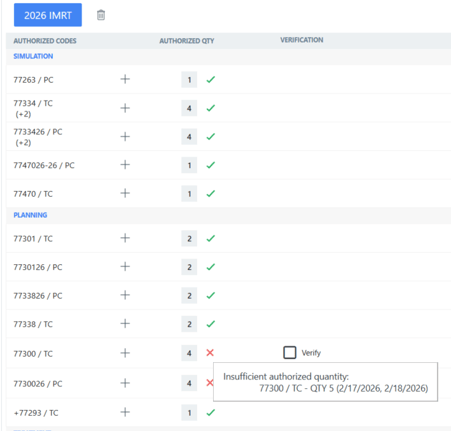
Additionally, QuickCode is now equipped with internal “cheat sheets” that allow users to document payer-specific requirements, reminders, and tips directly within the system for more efficient, repeatable workflows.
PA QA the RAD way
Radiation therapy is noted as having the highest prior authorization burden of any specialty, and ASTRO’s findings support that reality, with 51% of surveyed respondents reporting that more than half of their 2024 cases required PA – a metric that has increased year over year since at least 2019 and doesn’t look to be slowing.
With all the time and resources spent on obtaining prior authorization up front, implementing smarter solutions to prevent denials, protect revenue, and free up staff to focus on the delivery of exceptional patient care helps ensure the work done before treatment continues to pay off.
To learn more about what a centralized prior authorization QA workflow with QuickCode could do for your department, contact us to schedule a virtual demo with one of our experts today.

Leave a comment