Efficiency Without Compromise: How St. Francis Radiation Therapy Improved Clinical Workflows Without Sacrificing Quality

"[Our] main concern is if the quality and accuracy of the work is still preserved through the automation process. Radformation has done well in eliminating that concern."
This month, meet Samuel Drehmel, of St. Francis Radiation Therapy, part of the Minneapolis Radiation Oncology (MRO) network. The clinic’s team includes one radiation oncologist, one physicist, one dosimetrist, and three radiation therapists, treating about 18 patients daily with a single Elekta Versa HD® linac and Monaco® as their treatment planning system. Samuel and his team were looking for tools to expedite their plan review, dose checks, and machine QA through automation – without losing control over the quality of their care.
Automating routine planning without sacrificing quality
Because of their smaller team, Samuel’s clinic was looking to free up time spent on manual tasks by automating parts of the daily clinic routine, including plan review, independent dose calculations, and machine QA. As a small clinic, they needed to reduce time spent on manual tasks, especially planning and documentation, while maintaining oversight and control over the planning process.
Describing the new daily workflow with Radformation, he explains that they run every patient’s treatment plan through ClearCheck and ClearCalc. They review it to ensure agreement between the output and final dose calculated within Monaco. He also validates that it agrees with the objectives for the targets and OARs. He says ClearCheck has had a big impact on standardizing the templates used for dose objectives. “Prior to ClearCheck, dose objectives to OARs in our plans seemed to be randomly chosen. Now, we can apply pre-built templates that can be traced to published guidelines for each area in the body.”
Automation that’s easy to implement in the clinic
Samuel found that Radformation software satisfied their need for improved efficiency without sacrificing clinical control. He explains, “We wanted our workflows to be consistent, standardized, and less manual-driven.” He goes on to say that the intent was to increase efficiency, but “...the main concern is if the quality and accuracy of the work is still preserved through the ‘automation’ process.” He adds, “Radformation has done well in eliminating that concern.”
He mentions specifically that the ability to fine-tune templates and parameters to better optimize the automated output was a big win, along with the user-friendly interface that allowed them to validate whether tasks are being completed correctly with ease. Further, he found working with Radformation during implementation enjoyable. “They were always patient, attentive, and willing to answer any of our questions.”
On a personal note
Samuel’s path to Medical Physics was influenced by a family tradition of science and healthcare. His father was a family practice physician, and his grandfather was a veterinarian, inspiring his appreciation for science and education. At the University of Minnesota, he found his way to their Basic Radiological Physics course, which introduced him to a field that brought those interests together, and he hasn’t looked back since. “As a practicing medical physicist, I’ve been lucky enough to combine my education in physics with healthcare in a unique way, such that I can carry on the legacies of my father and grandfather.”
When not in the clinic, Samuel enjoys playing guitar, making music, studying Japanese, juggling, and doing card magic.
Optimizing MR Linac Secondary Calculation
Workflows at St. George’s Hospital
By partnering with Radformation to implement ClearCalc, the hospital successfully integrated a secondary calculation tool that delivers speed and reliability, ensuring clinical confidence while the patient remains on the treatment couch.
Log File Analysis Reduces Clinical Operational Burden for PSQA
Navigating the Complexities of Radiotherapy Retreatment Planning
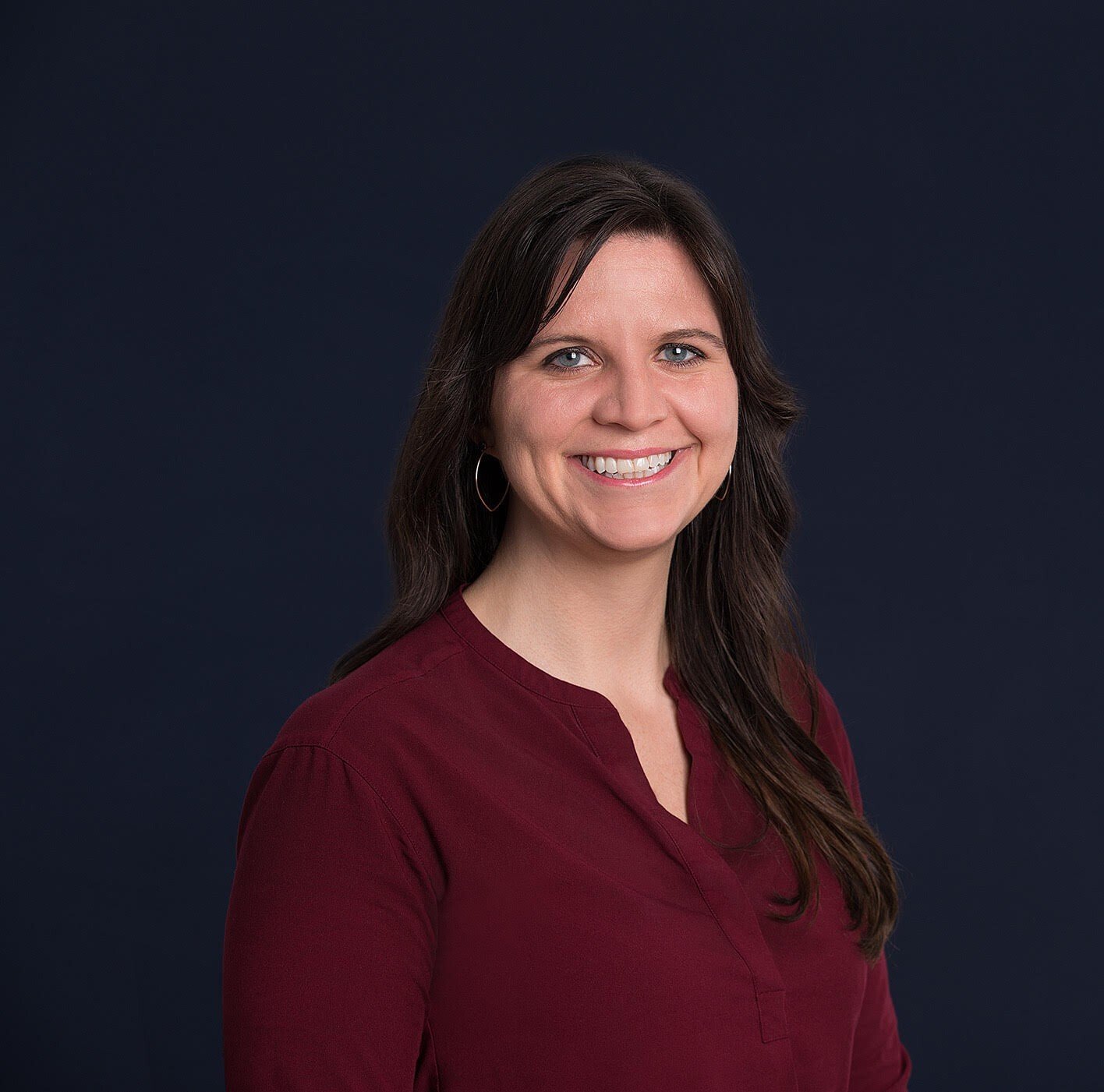
Written by Stefanie Kall
Stefanie has a PhD in biochemistry, with background in the study of cancer mechanisms. She has over a decade of experience working in research labs to better understand and treat cancers. In her free time, she enjoys reading, playing with her dog and cat, and biking along the Lake Front Trail.
Related tags: Automation