ClearCalc
Introduction to ClearCheck: Plan Sum Builder Supports Review of Combined Plans
Prepare for re-irradiation and sequential boost planning with software that helps you tackle additive plans
Discover the importance of PSQA and how Radformation equips clinics with fast, reliable dose validation tools for PSQA workflows.
Patient-specific quality assurance (PSQA) is an important piece of the radiotherapy clinical workflow. Per the Green Journal, PSQA refers to the systematic verification that a patient’s treatment plan can be safely and accurately delivered.
Today, there are important questions about PSQA, including how often it detects failures, how to integrate it into everyday workflows without reducing a clinic’s capacity to treat patients, and incorporating more on-treatment and in vivo QA procedures for a more comprehensive patient-specific validation.
There are several conventional approaches to PSQA, with benefits and drawbacks to each. These include:
Typically, research recommends dose delivery uncertainty be kept below 5%, however uncontrollable factors likely add to error rates. Recently, AAPM TG-360 undertook an international, multi-clinic, multi-TPS investigation to determine how IMRT and VMAT treatments are impacted by different modes of failure.
The group based its evaluations on the TG-100 report and weighted each failure mode based on severity, occurrence, and detectability. Based on this, they assigned each error an “RPN” score, or risk priority number. Higher numbers are associated with increased risk.
The highest RPN issues for PSQA were found to be slightly lower on the severity ranking, but they occurred frequently and were difficult to catch.
The top three RPN failures were:
TG-360 demonstrated that there are a number of potential errors when delivering treatments. The group noted that PSQA is often overlooked in the overall radiation therapy process, so it does not always receive high consideration in clinics. However, the work shows that PSQA is still a critical part of the treatment process and, when properly implemented, can reduce risks to patients.
ClearCalc, with an optional RadMonteCarlo add-on, supports log file analysis for PSQA.
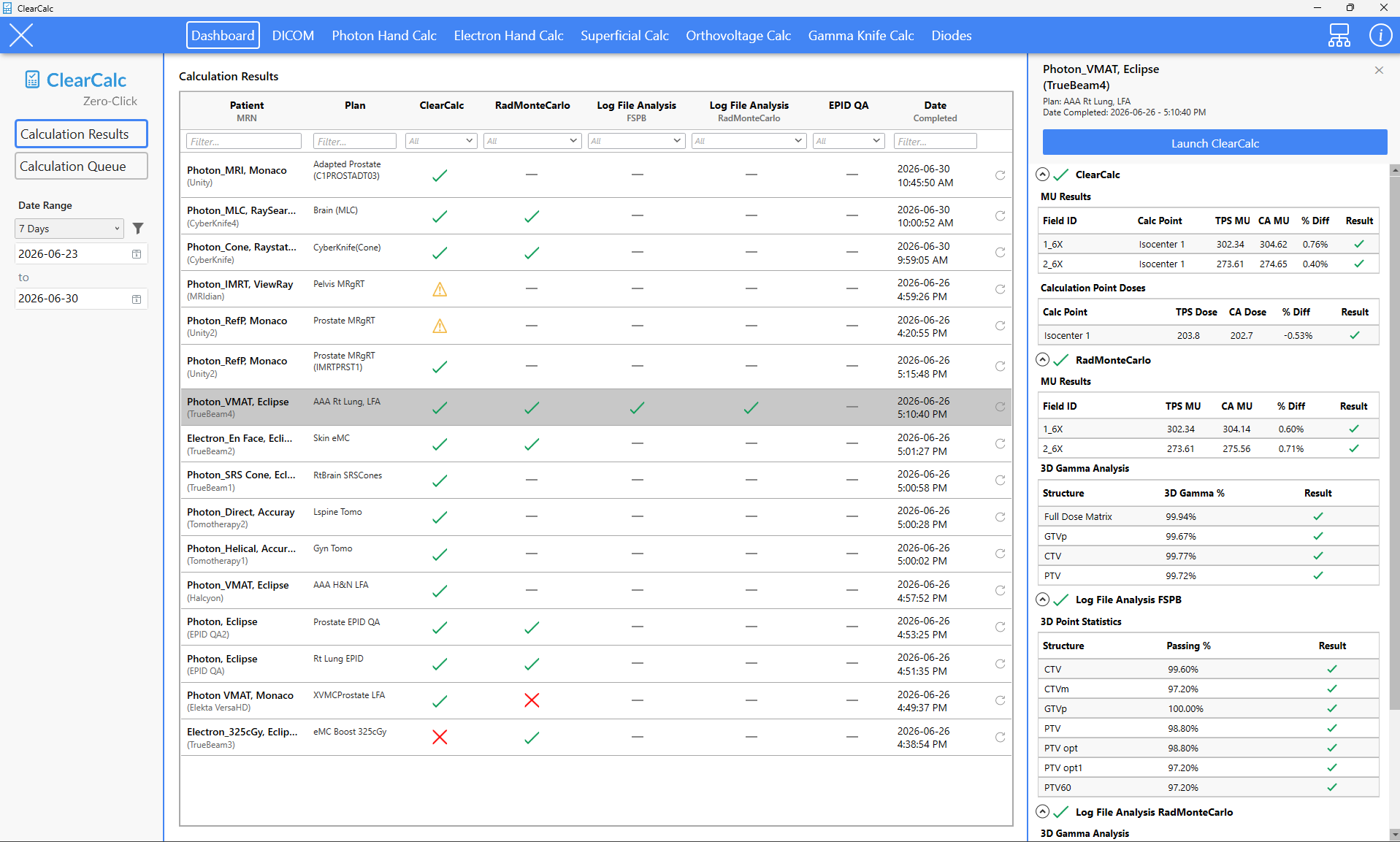 Launch your log file analysis results directly from the standalone dashboard with the Zero-Click dashboard.
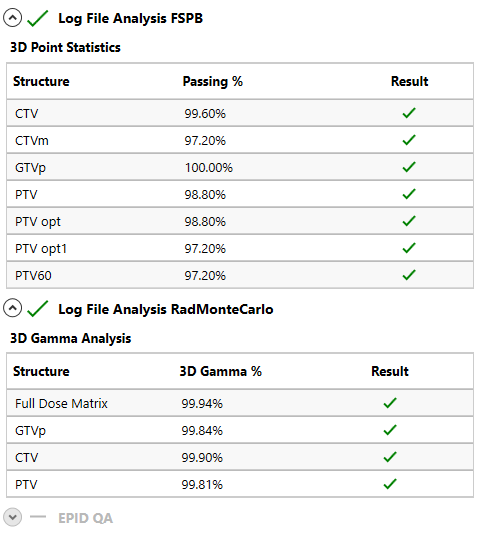
Review your results at a glance in the workspace.
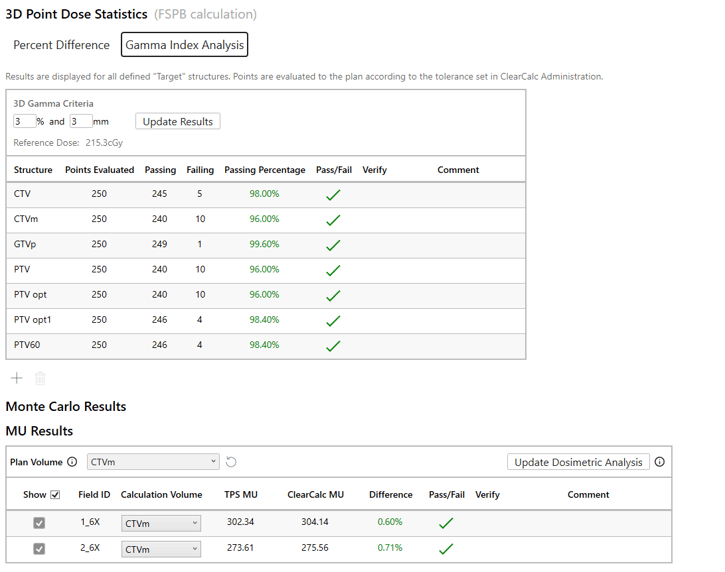
Validate your plans against finite-sized pencil beam or Monte Carlo algorithm* results based on your delivery log files.
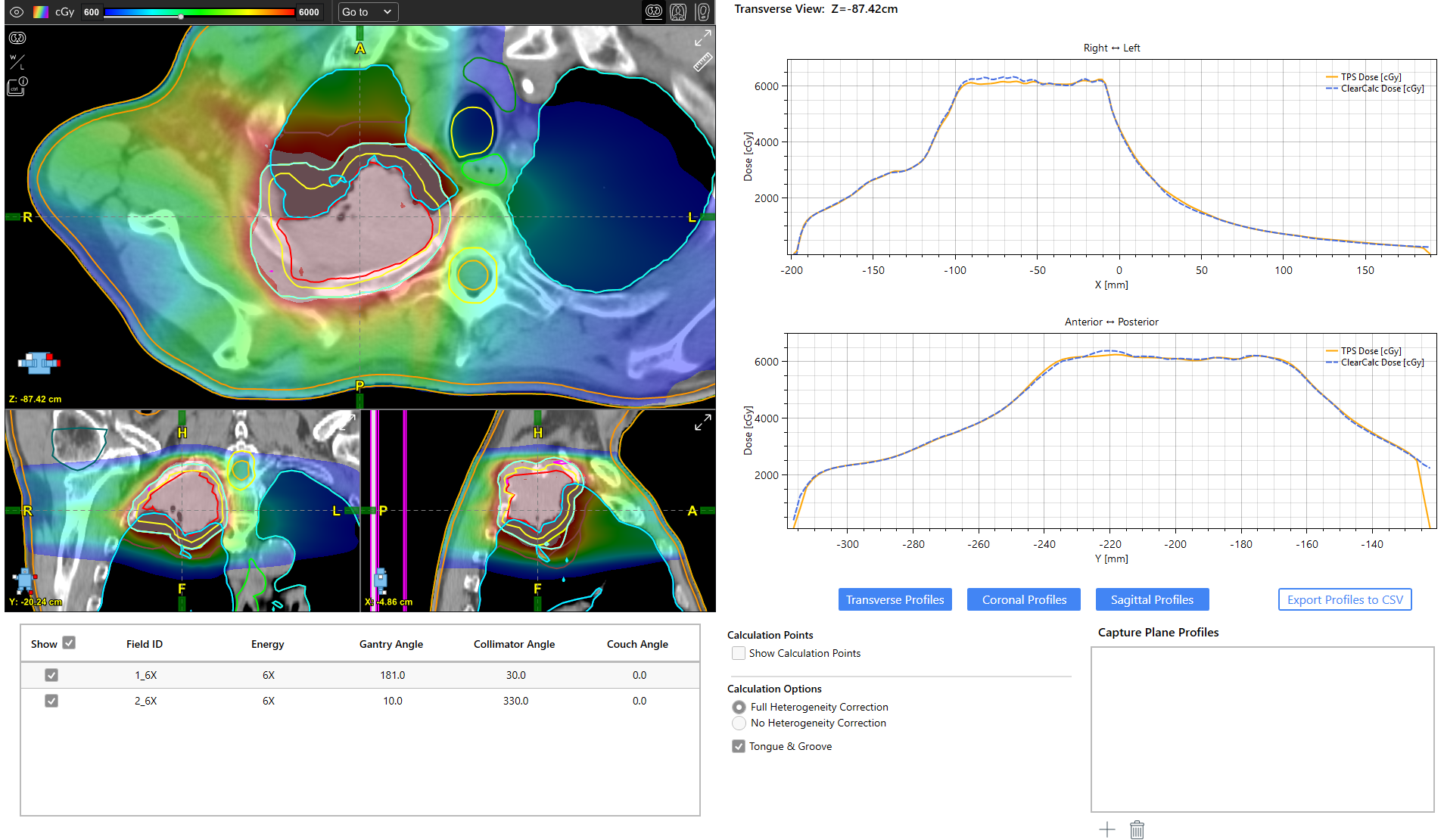
Leverage the user-friendly interface to review plan profiles.
While there are a number of ways to approach PSQA in the modern radiotherapy clinic, log file analysis offers a notably fast and comprehensive solution. With log files, clinicians can recalculate delivered dose and even implement the highest accuracy for recalculations with Monte Carlo algorithms. The result is a PSQA program that ensures a compliant clinic without slowing treatment delivery.
PSQA fits into a broader practice of quality assurance including machine QA, regular audits, and clear interdepartmental communication, which also support patient safety and should not be overlooked.
To learn more about what ClearCalc with the optional RadMonteCarlo add-on can do to transform your PSQA workflows, enhance clinical safety, and save valuable time in your department, contact our experts to schedule a personalized demo today.
*Monte Carlo algorithm is available as part of RadMonteCarlo, an optional add-on for ClearCalc.

Leave a comment